
April 2026 - Newsletter
Tēnā koutou Catchment members,
A big thank you to everyone who joined our recent woolshed workshops. The turnout, kōrero, and local knowledge shared were outstanding—and exactly what we need to drive real action across the catchment.
West Waikato Coastal Community Catchment Group (WWCC) has got a lot happening next. Here’s what you need to know
Funding Opportunity:
Pest Control Support
The Waikato Regional Council Small Scale Community Initiatives Fund (SSCIF) opens in May.
We strongly encourage landowners to apply for up to $5,000 to support pest control, including:
Traps, bait stations & lures
Monitoring equipment
PPE
To make this easy, WWCC is developing a simple application template specific to our catchment to assist you through the process.
Online Funding Workshop – Tomorrow
Want advice on how to put together a strong application direct from Waikato Regional Council?
Join the online workshop tomorrow (Thursday 23 April, 9:30–10:30am) to learn about:
Environmental Initiatives Fund (EIF)
Small Scale Community Initiatives Fund (SSCIF)
Tips for a successful application
Live Q&A with experts
Join the session at 9:30 am (The session will be recorded if you can’t attend live.)
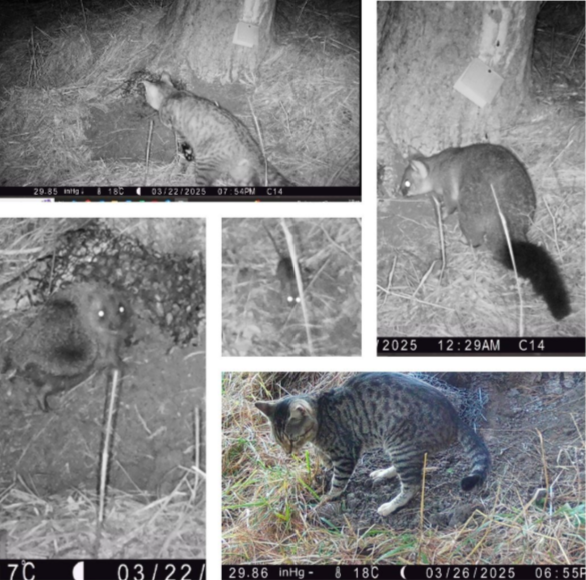
Upcoming Events – 12 & 14 May
Pest Control Workshops 11:30am–1:30pm
North & south catchment locations
What to expect:
Learn from experienced speakers
Explore equipment options
Get help with funding applications
Contribute to a catchment-wide pest control plan
Woolshed Workshops (9:00am–11:00am)
Tauterei Stream, Huriwai River, Waikawau Stream & Kaawa Stream - You’re next!
These sessions will:
Share local water quality, eDNA & mapping insights
Help shape priorities for your sub-catchment
Capture your ideas and on-the-ground knowledge
The more people involved, the stronger our impact.
Registration is essential for catering purposes.
Please register here: www.wwcc.co.nz/events
Next CAG
WWCC invites community members to attend its 2nd Community Advisory Group (CAG) meeting on the 26th of May to discuss the priorities for the coming months.
This meeting provides an opportunity for residents to share ideas, ask questions, and help guide future work within the catchment.
You will have the opportunity to bring your membership up to date on the day.
Watch this space for more details coming soon.
What We Heard – March Workshop Highlights
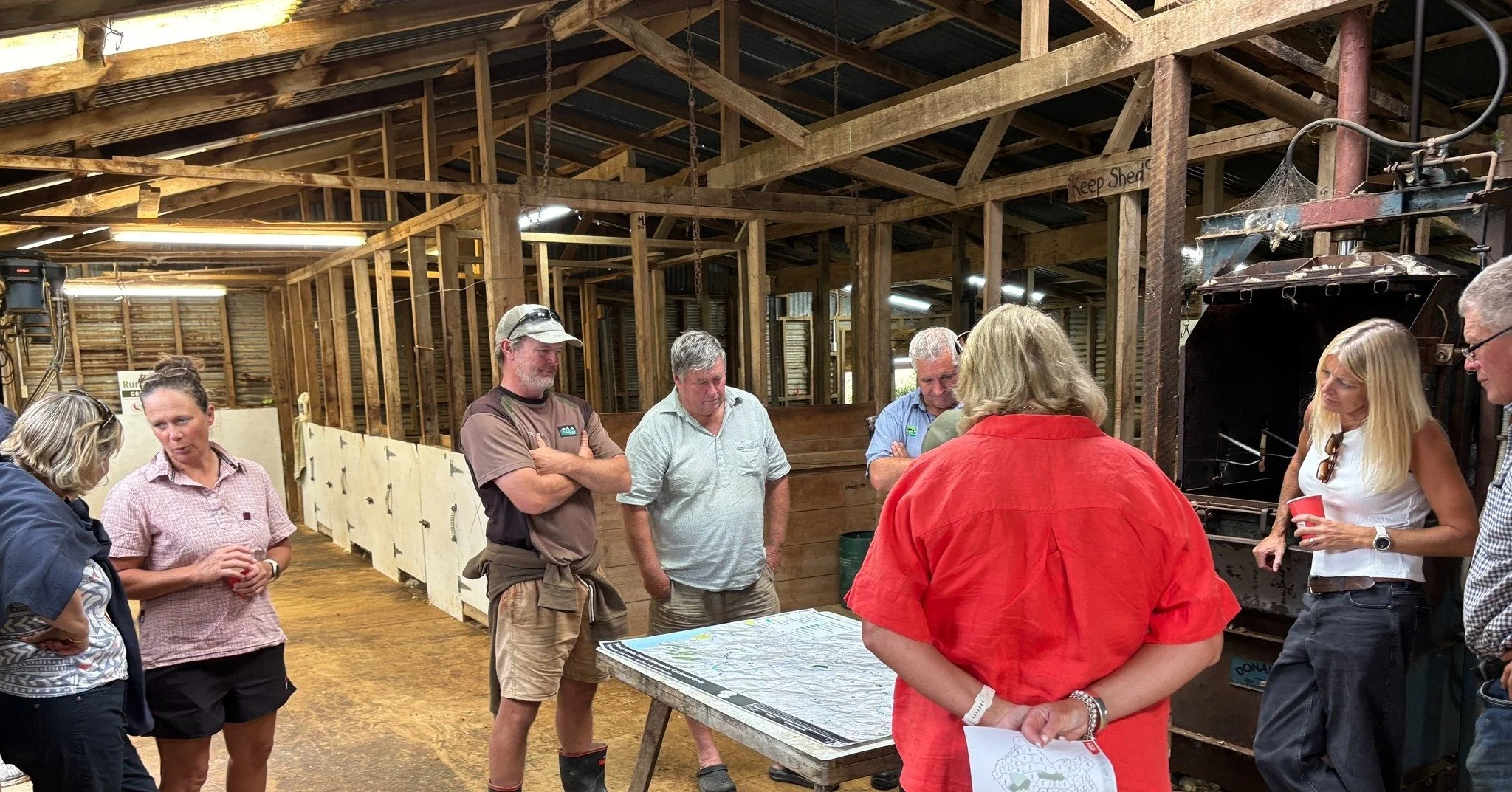
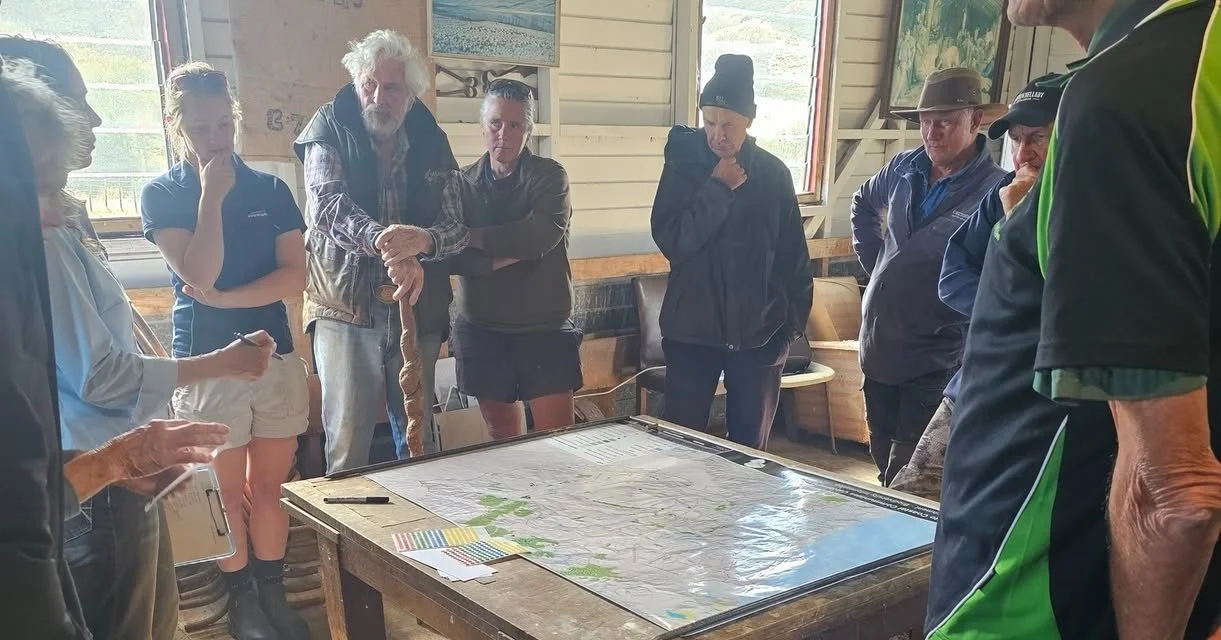
Thank you again to everyone who attended our woolshed workshops - your input is already shaping our direction.
Top areas of interest:Pest control funding & supportFencing and planting projectsCat control and trapping
Also raised:Pest control collaborationGoose controlFarm Environment Plan (FEP) support
Other valuable discussions included:
Problem species & hunting coordination
Showcasing existing good work
Water quality monitoring
Identifying priority project areas
A major outcome was the mapping of key areas of existing work and places we need to protect—critical for our Whole of Catchment Plan.
Help Identify What We Need to Protect
What special species are still thriving in your area?
We’re building a clearer picture of:
Native birds
Plants
Insects
…and where they are across the catchment.
Get involved now:
Download Seek by iNaturalist and start recording what you see:
Snap a photo
Let the app identify it
Help build our collective knowledge
You can download Seek for free from your favourite app provider.
Android: https://play.google.com/store/apps/developer?id=iNaturalist
iPhone: https://apps.apple.com/us/developer/inaturalist/id421397031
We’re planning a community BioBlitz event September 1st. This is a great way to get started early.
Already using iNaturalist? Let us know, we’d love to involve you.
Sheep & Waterways – How Big Is the Risk?
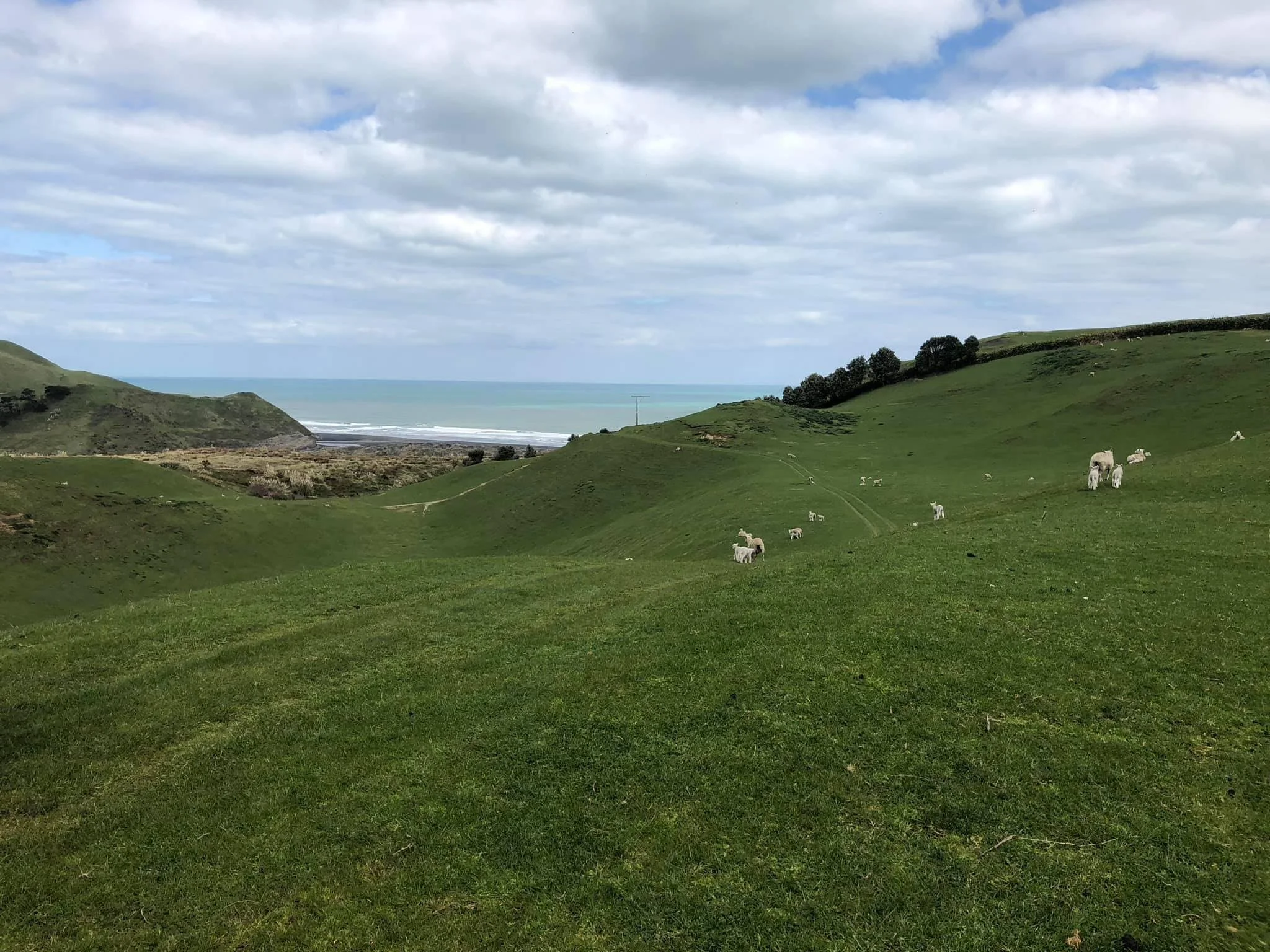
At a recent Limestone Farms Open Day, one of our members came across research exploring how sheep interact with waterways—particularly during winter.
So, what does the science say?
Key Findings
Ewes travelled shorter distances on steeper paddocks
They showed a clear preference for flat, low-slope areas
During winter, interaction with waterways was very limited
Why This Matters
These findings help build a clearer picture of where and when stock are most likely to impact waterways. Understanding behaviour like this supports more targeted decisions around fencing, grazing management, and investment.
Read More
You can explore the full research here:
https://mro.massey.ac.nz/handle/10179/69531
Bunyaga A, Corner-Thomas R, Draganova I, Kenyon P, Burkitt L. (2023). The Behaviour of Sheep around a Natural Waterway and Impact on Water Quality during Winter in New Zealand. Animals (Basel), 13(9), 1461.
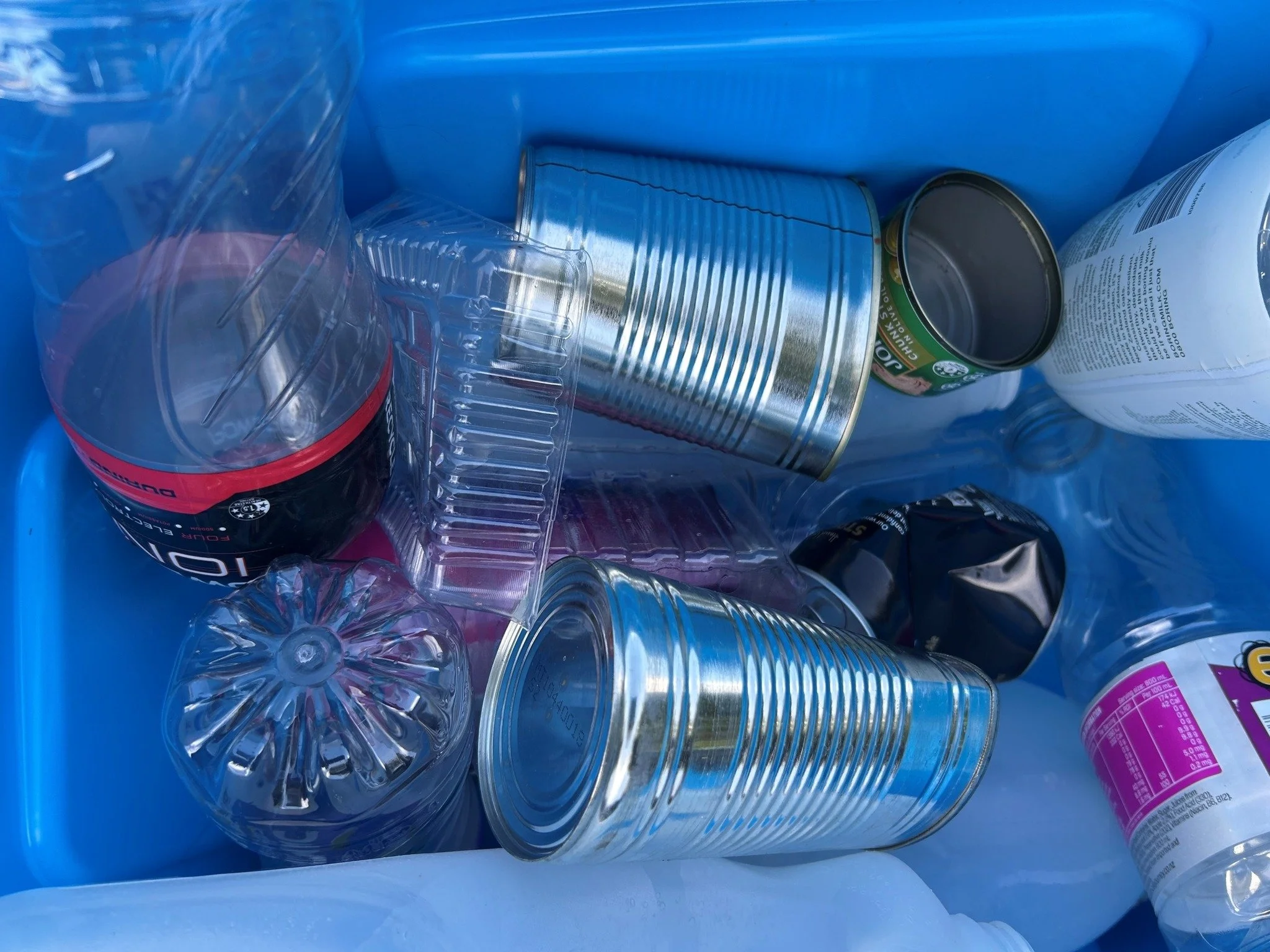
Recycling at Te Akau continues
Monthly recycling runs on the 3rd Saturday of every month and will run through December.
We are very grateful to Waikato District Council, Councillor Caro Eyre, and to all of you that responded to our survey last year. Instead of travelling out of the area, you can now drop your recycling locally and they’ll take it to the recycling facility for you.
This is a huge win for our rural community, so please add it to your calendar and help spread the word to neighbours and whānau
What you need to know:
When and where:
The monthly drop-offs will be between 8:30am and 12:30pm on third Saturday of each month. The location will be Te Akau Hall carpark (next to the school).
What to bring for recycling:
Plastics – plastic containers, bottles and trays with the numbers 1, 2 or 5 inside the recycling symbol.
Glass – bottles and jars.
Metal – food tins and drink cans.
Paper and cardboard – flattened boxes and papers.
Do not bring:
Recycling from garden shed/garage/agrichemical products (we can only take household recycling).
Containers larger than 4L
Soft plastics
Preparing your recycling:
Remove lids from containers and bottles, triggers and pumps,
Rinse all plastics, tins, cans and glass, and remove any food scraps from pizza boxes etc.
Separate your recycling into types: glass, paper and mixed plastics and cans (plastics and cans can be co-mingled).
Bring your recycling in: cardboard boxes, tubs, feed bags. Just make sure the weight of each container is less than 15kg.
On drop-off day:
Enter the site where the flag is and proceed at 10km/hr to the recycling truck.
There is a one-way direction of vehicles for the service.
Park, switch off your engine and apply your hand break before unloading your recycling containers.
Our contractors will tip your recycling into the truck bays and hand back your containers once emptied.
Please remain behind the temporary barriers and follow our contractor instructions at all times.
Only one vehicle can unload at a time. If there is a queue of vehicles please remain in your vehicle until your turn.
Once unloaded, continue through the carpark and leave via either exit.
Thank You
Huge thanks to everyone who made the March workshops possible, including our hosts, contributors, and organisers. Your support is helping turn ideas into real, on-the-ground outcomes.
Hei konā mai
West Waikato Coastal Community Catchment Inc, Te Akau, Waikato, New Zealand