
Before we can take action to enhance biodiversity in our catchment, it's first essential to understand the pest issues we’re currently facing. By clearly identifying the problem, we can take targeted, effective action to reduce pests and achieve the best outcomes for our catchment environment.
To support this, we engaged pest control experts Cam Speedy and Jason Day to conduct a pest audit, which provided us with baseline data on pest populations in the area.
What area did we audit?
We selected two areas, one in Waimai and one in Waikaretu, both of which are already being monitored for water quality as part of our catchment strategy. Conducting the pest audit in these same areas helps us build a more complete picture of the pest environment as the eDNA water testing gives us valuable insight into all species present in or around our waterways.
The pest audit areas focused on pine, native bush, and riparian zones, where pests are most commonly found.
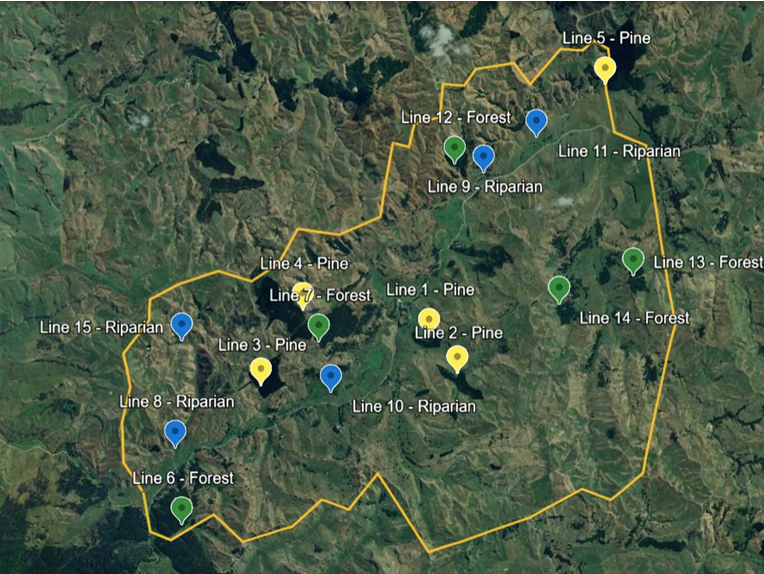
Waimai Valley Pest survey transects
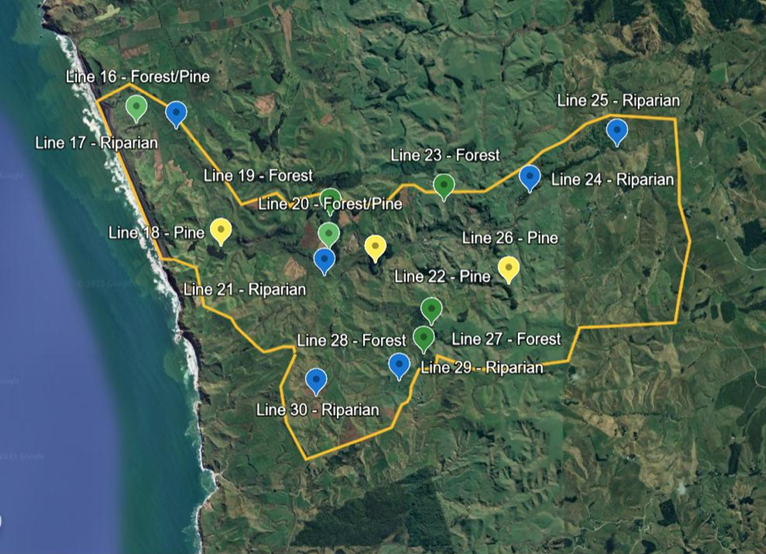
Waikaretu Valley Pest survey transects
What were our objectives?
To find out what animal species are present in these areas
Their population levels, in terms of relative abundance
What impact their presence and population numbers are having on the land and environment
What management options are available to us to address any issues identified
What methods were used?
Chew Card Lines: Each site featured a line of 10 chew cards, spaced at 20 metres apart. These were lured using a flour and icing sugar blaze to attract a variety of pests.
Monitoring Period: The chew cards were deployed for 7 nights during the Tangaroa moon phase - approximately one week after the full moon. This lunar phase is traditionally associated with reflection, renewal, and abundance, and is known to reduce animal caution, making it an ideal time for pest detection. Read this article by Cam Speedy to understand more about trapping by the moon.
Seasonal Timing: The audit was timed to align with the peak possum mating season in March, when breeding activity increases. This heightened movement improves the chances of detecting possums, as they are more active and likely to encounter monitoring devices.
Baited Camera Traps: One baited trail camera was installed for every 10 chew cards. Cameras were baited using fresh hare or rabbit combined with fish oil to attract predators and scavengers.
Additional Surveillance: Extra cameras were placed in areas showing fresh signs or impact from deer, pigs, or goats to help detect larger pest species and assess their presence and activity levels.
How did we share the results?
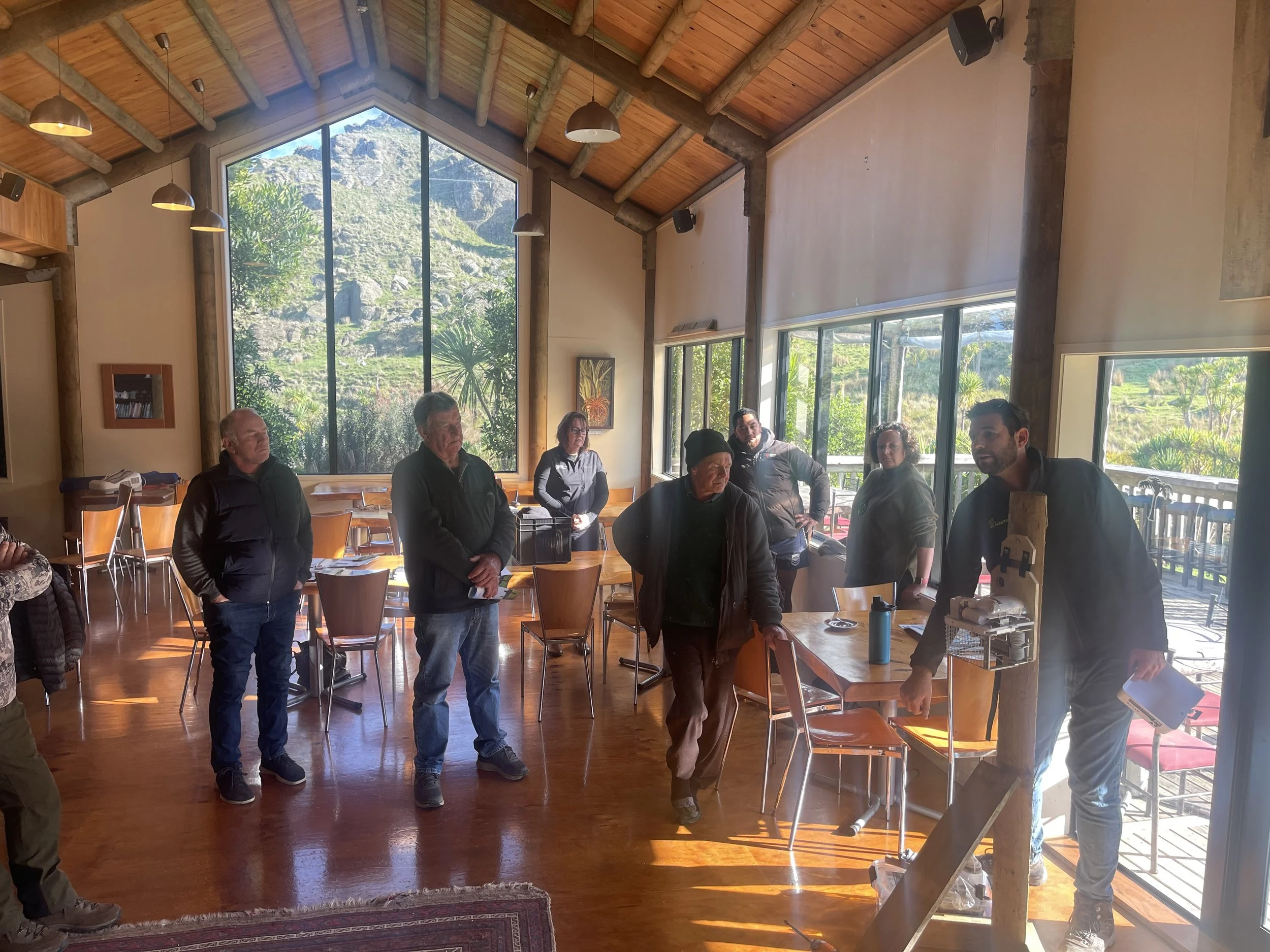
A community information day was held in both the northern and southern areas of our catchment on Wednesday, 25th June. Pest control experts Cam Speedy and Jason Day hosted the sessions, providing further insight into how the audit was conducted and sharing the results with attendees.
Key findings from the audit include:
Possums: Densities were moderately high - around 5x higher than the OSPRI target levels.
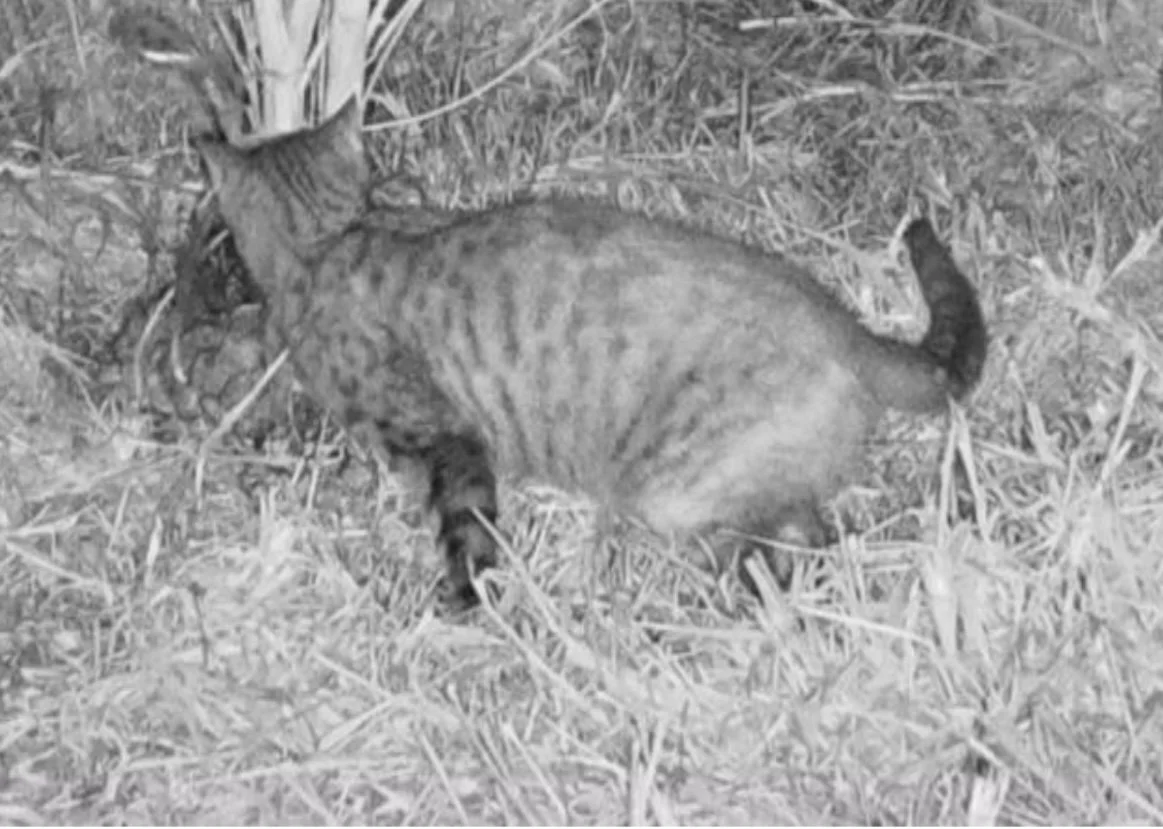
Feral cats: Numbers were very high - this is concerning.
Rats: Overall numbers were low, but with localised pockets of high density.
Deer, pigs, and goats: Deer and pigs were found in specific, localised areas, not widespread across the catchment, but where present - their impact was significant. Goat sign was also observed; however only a few individuals were captured on camera.
Ferrets and stoats: No ferrets were detected; stoat numbers were low.
Other species: Some hedgehogs were recorded.
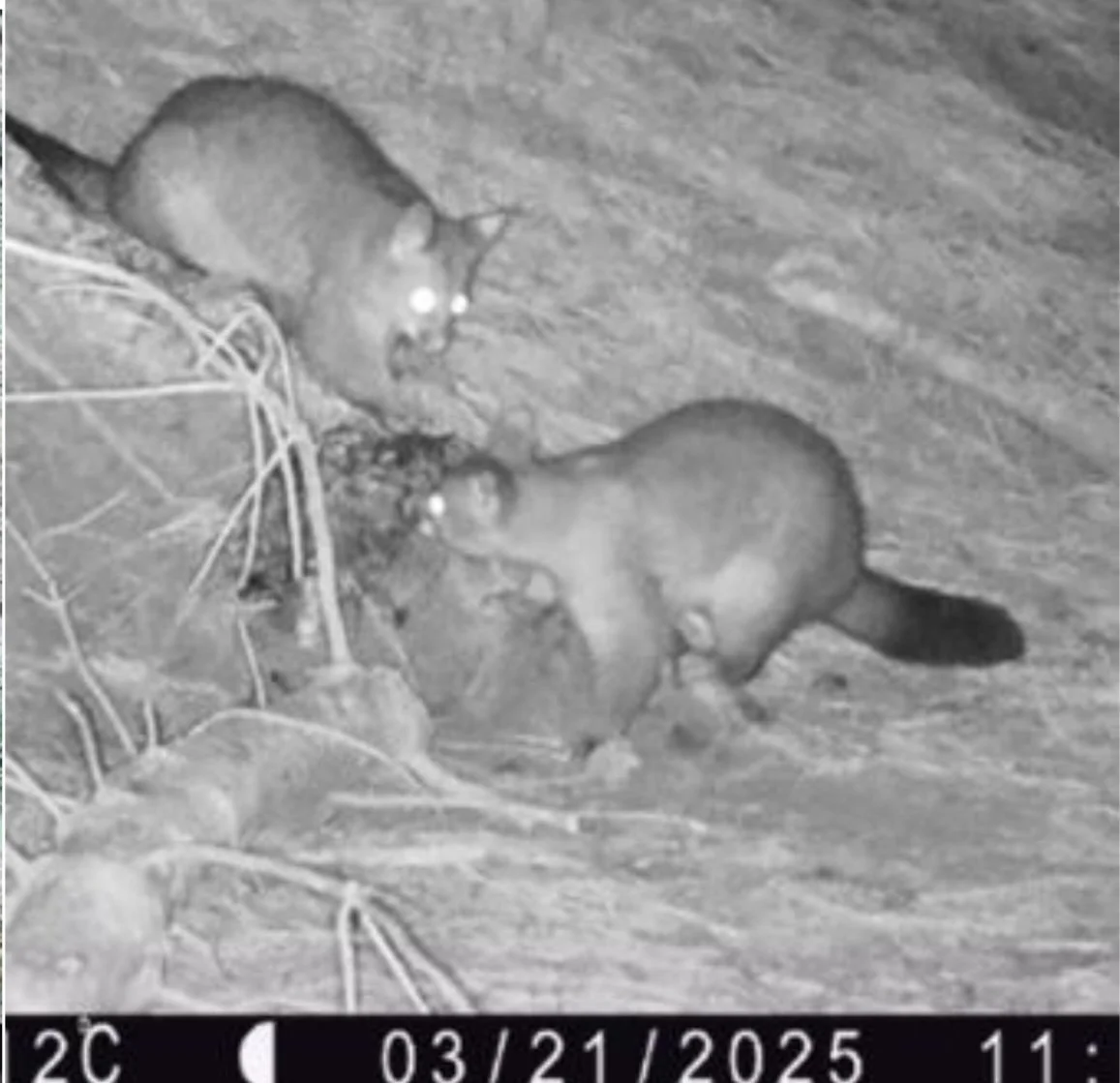
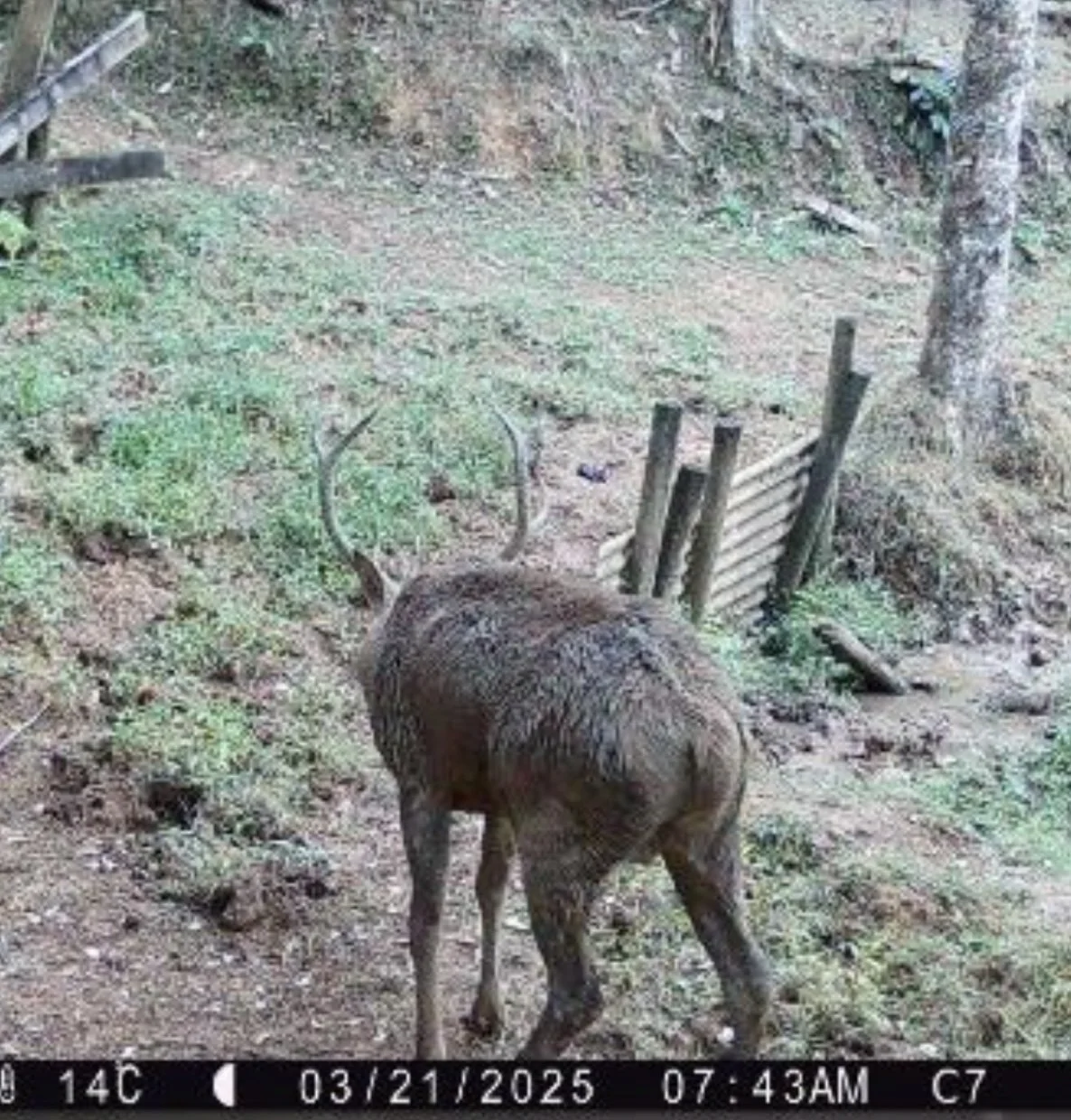
Note: The absence of evidence is not evidence of absence.
Some species may be present but were not detected during this audit period.
Possums
Possum numbers greatly exceed the threshold that would trigger elimination efforts if a TB outbreak were to occur.
Densities are twice the regional council's target for the landscape.
Behavioural changes have been observed, possums are becoming suspicious of bait, often avoiding it after recovering from small, sub-lethal doses.
Recommendation: A broader range of pest control tools is needed. While bait stations have been effective, rising numbers now require supplementary control methods. Cam Speedy and Jason Day noted that overuse of certain methods, like poison, can reduce their effectiveness over time. Continuous pressure tends to remove only the less cautious, leaving behind possums that are smarter, more resistant and bait-shy.
Feral Cats
Feral cat presence is very high, 93% of cameras detected cats at Waimai and 44% of cameras at Waikaretu. Total 22 out of 32 cameras detecting cats - some capturing up to four individual cats at once.
Farming impacts: Cats are carriers of toxoplasmosis, a parasite that causes abortions in sheep.
Environmental risk: Toxoplasmosis is the leading cause of death for Māui dolphins, found only on the west coast of the North Island. The parasite enters waterways and eventually reaches the Tasman Sea, where dolphins are highly susceptible.
Large home ranges:
Male (tom) cats can roam up to 2,000 hectares.
Female cats typically stay within 10 hectares when nursing and up to 2,500 hectares otherwise.
Challenge: There is a need to balance the affection many people have for pet cats with the severe environmental damage that feral and stray cats can cause.
Pigs, Deer, and Goats
These species were found in localised areas but with high impact where they were present.
Cam Speedy noted reports of illegal releasing of pigs and deer occurring across New Zealand. While there is no evidence of this in our catchment, it remains a concern. Unknown pig origins can pose serious biosecurity threats to farming operations.
Pigs are movers, and if populations are not controlled, they will quickly multiply into neighbouring properties. They also scavenge poisoned possums which poses a problem.
Deer: Approximately 6–7 deer were identified in the Waimai area, all of which were reds, no fallow deer were observed on the cameras
Goats: Present in smaller numbers.
You can view the PowerPoint presentation from the workshop by clicking here.
Recommendations
Sustained Population Control:
Effective pest control requires removing at least 50% of the population each year to prevent growth, as most pest species are capable of doubling in number annually. Prioritising the culling of breeding females (e.g., hinds, sows) is especially important for long-term management.
Consequences of Inaction:
Missing even a few seasons of control can lead to rapid pest population growth, resulting in serious damage to native bush and trees. The ecological and economic impact of unmanaged populations can be significant and long-lasting for our catchment.
Technology and Trap tips
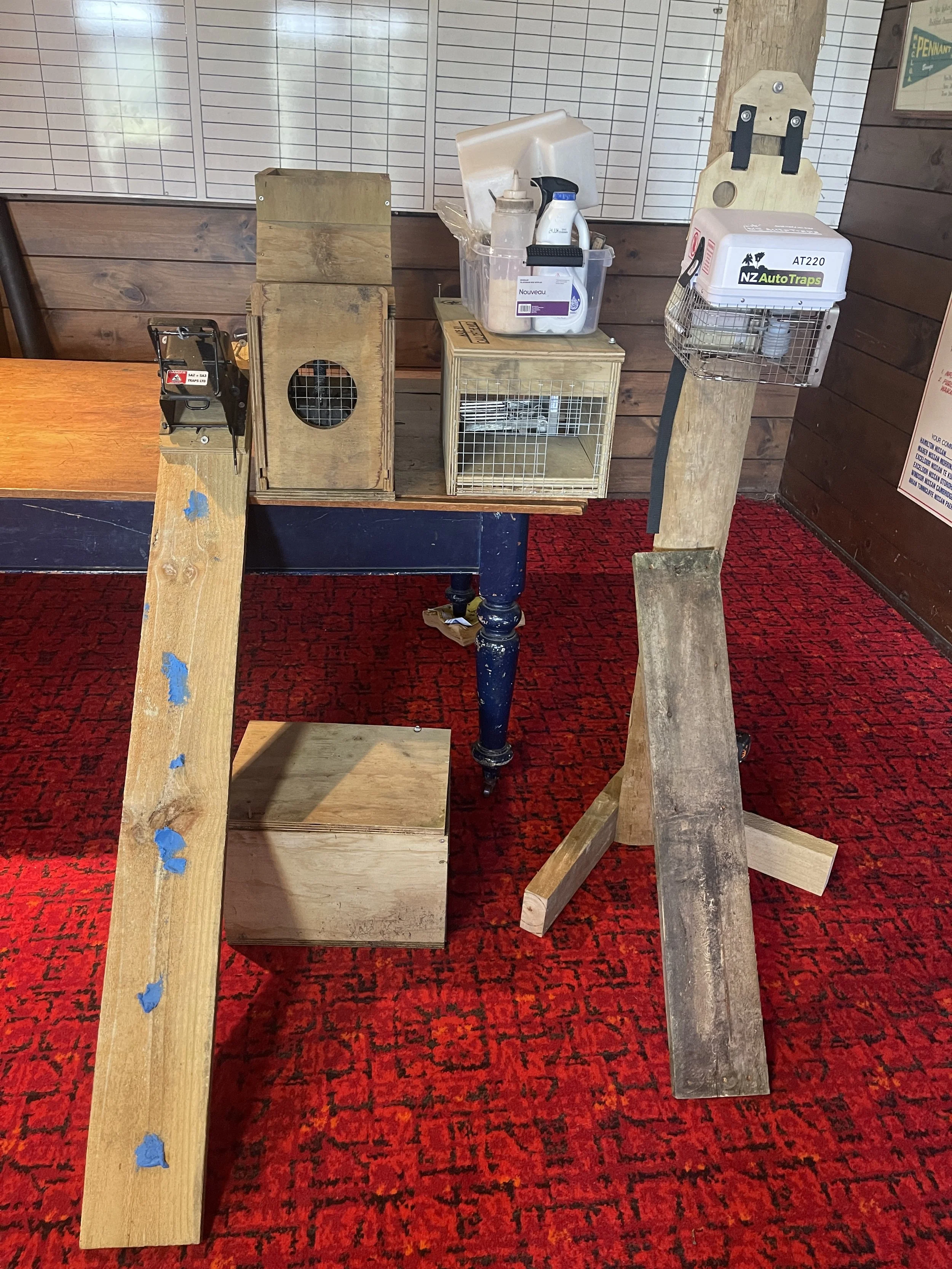
Cam Speedy and Jason Day recommend the AT220 NZ Trap as a major advancement in pest control technology - offering good value on a cost-per-kill basis. However, proper trap setup and management are key to success. Factors that influence effectiveness include:
Using the correct lures - check out Cam’s top lures here.
Choosing the right trap location - check Cam’s best spots to place traps.
Really scuff up the ground around your traps, pests find this really interesting because of the fresh dirt smell.
Securing traps properly, if they are too rocky and tip, the animal will likely jump off/out.
Provide a ramp or natural access for pests to climb up and into the trap.
Pre-luring the area with unset traps first to familiarise animals before turning it live.
A “set and forget” approach won’t deliver results. Ongoing attention, adaptation, and maintenance are essential for traps to remain effective. Over used tools get blunt, so it's important to use a variety of traps, baits, and bait stations, choosing the right tool for the right place. Interestingly, around 20% of traps do 80% of the catching, highlighting the need to identify and focus on the most productive locations and methods.
Farm Integration:
For lasting success, pest control efforts should be part of our daily farm operations. For example, placing traps along regularly travelled farm routes makes monitoring and maintenance easier and more consistent.
Next steps
A survey from the workshop attendees show only 67% had undertaken pest control in the past year, 100% said they plan to in the future, a strong outcome that reflects increased enthusiasm and commitment of our community as a result of the workshops and audit.
Waikato Regional Council (WRC) has funding available to support pest control initiatives. Our focused approach differs from their random possum trap assessments, potentially yielding higher results. We intend to submit a funding application to WRC by mid-July to enable us to continue to build knowledge and experience with different trapping methods.
Pest control is not a one-size-fits-all solution, it requires a flexible and adaptive approach, combining targeted trapping, habitat management, and ongoing monitoring. Collaboration between landowners, councils, and the community is essential for long-term success. Through education and knowledge-sharing, we can support the adoption of new tools and methods as they emerge.
Our goal is to strike a balance: protecting native wildlife and ecosystems, while also respecting people's relationships with their animals, so both can thrive.
To read the full Pest Audit report, click here.
For more information on pest control tips, traps and techniques, view the Predator Free NZ Handbook here.